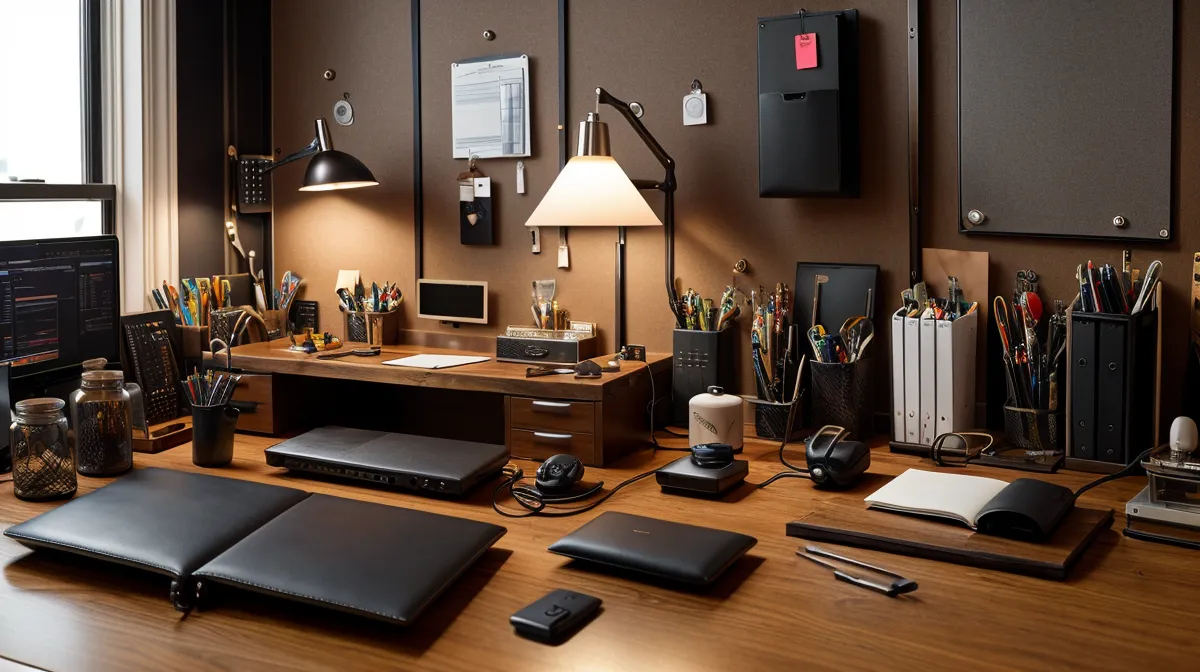
I was sitting in my garage one late evening after a long load-out, just trying to enjoy the silence, when I realized the 'room tone' inside my head was actually louder than the idling truck out on the street. It was a crisp, late autumn night last year, the kind where the air is thin and sound carries for miles, yet all I could hear was a piercing 15kHz whine that sounded like a tea kettle from hell. After twenty years of manning soundboards in suburban Nashville and ignoring every warning about earplugs, the bill had finally come due.
Before I get into the technical log of how I’ve been trying to recalibrate my internal signal-to-noise ratio, I need to be clear: I’m not a doctor, an audiologist, or some medical guru. I’m just an IT audio technician who spent two decades treating his ears like indestructible microphones. This site uses affiliate links, which means if you buy something through these links, I earn a commission at no extra cost to you. I only recommend hearing supplements like Audifort because I have personally tested them and tracked the results in my own ledger. You should always talk to your own doctor or a professional audiologist before trying a new regimen.
The 20-Year Feedback Loop: How I Broke My Signal Chain
In the pro audio world, we live by standards. We want our equipment operating at a professional line level signal of +4 dBu to ensure everything stays clean. We know that the human hearing frequency range technically spans from 20 Hz to 20,000 Hz, though most of us lose the top end long before we retire. For twenty years, I sat in the sweet spot of various Nashville venues, surrounded by stacks of speakers pushing well past the NIOSH recommended noise exposure limit of 85 decibels for an eight-hour shift. I thought I was fine because I could still 'hear the mix' clearly. I didn't realize I was developing what we call 'hidden hearing loss.'
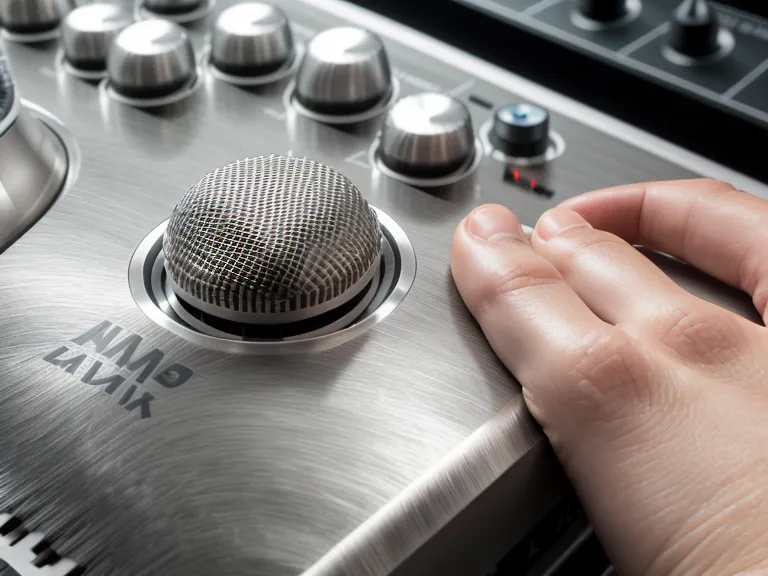
The tinnitus didn't hit me all at once. It started as a faint hum three years ago, a low-level hiss that I could easily mask with a fan. But eventually, the 'noise floor' of my life rose. My brain, sensing that the physical hardware in my inner ear was no longer sending the high-frequency data it expected, decided to generate its own phantom signal. It’s essentially a permanent feedback loop that won't respond to the 'mute' button. I remember one specific moment last winter, leaning over a rack-mount mixer, feeling the cool, brushed aluminum under my palms while the high-pitched whistle in my head perfectly matched the stage feedback I was trying to kill. It’s a cruel irony being the audio guy who can't turn off the loudest sound in the room.
The Troubleshooting Phase: Approaching Ears Like Work Tickets
If a server is lagging or a preamp is buzzing, you don't just throw it in the trash; you troubleshoot it by elimination. I decided to apply that same logic to my ears. My wife says I’m more obsessive about this than I ever was about work tickets, and she’s probably right. I started a ledger in mid-November last year, logging variables like sleep quality, caffeine intake, and supplement efficacy. I treat every new bottle like a firmware update—I give it time to settle, I watch for glitches, and I note any shifts in the signal.
I’ve had some spectacular failures. I tried a triple-dose caffeine protocol one morning thinking it would help me focus past the noise, but it just turned the ringing into a screaming 15kHz siren that made my eyelids twitch. That was a 'roll back' day if I ever saw one. I’ve also realized that my situation is a lot like construction workers operating heavy machinery. We’re often told to just 'wear protection,' but for guys on a job site—or a tech at a soundboard—safety and performance rely on situational awareness. You can't just plug your ears if you need to hear the subtle click of a relay or a supervisor shouting a warning over a diesel engine. We need a way to manage the internal noise without losing the external world.
The Turning Point with Audifort
After cycling through a dozen duds that did nothing but give me expensive urine, I integrated Audifort into my daily 'signal chain' early last spring. I didn't expect a miracle—I'm too cynical for that—but I was looking for a measurable drop in the noise floor. After about six weeks of consistent use, I noticed a shift. It wasn't that the ringing disappeared entirely, but the 'sharpness' of the feedback seemed to soften. It felt less like a jagged peak on an EQ graph and more like a gentle shelf. I wasn’t reaching for the white noise machine as often during my lunch breaks.
I’ve kept my notes consistent. By the time I hit one humid August evening, I realized I hadn't thought about the ringing for over three hours while I was working on a complex wiring diagram. That’s a win in my book. If you're looking for a similar deep dive into how I track these things, you can check out My Tracking Notes on the Noise Floor: A Nashville Tech's Review of Audifort. I’ve found that focusing on the brain-ear connection is more effective than just hoping the physical damage will magically heal itself.

Reflections from the Bench: Managing the Signal-to-Noise Ratio
My wife still catches me staring into space sometimes. She actually found me staring at a dead television late one night, confused why I was 'listening' to a show that wasn't even on. In reality, I was just savoring the fact that the internal ringing had settled down enough that I could actually appreciate the silence of the room. It’s a process of managing expectations. I can't undo twenty years of loud shows, but I can work on the way my brain processes the remaining signal.
For those of us who work in high-decibel environments—whether it's a Nashville stage or a construction site—the goal isn't always total silence; it's clarity. You want to be able to hear the conversation across the table without the phantom feedback drowning it out. I’ve found that a methodical approach, combined with high-quality support like Audifort, makes the daily grind much more manageable. If you’re tired of the constant high-end hiss, it might be time to start your own ledger and see which variables you can tweak. You can read more about my specific methodology here: Signal to Noise: How I Troubleshoot Tinnitus Supplements Like a Faulty Audio Chain.
At the end of the day, we’re all just trying to keep our systems running as cleanly as possible. The current price for these supplements is on the vendor's page and can change, so I always recommend checking there for the latest 'spec sheet' before you commit. Just remember: you only get one set of ears. Even if you’ve already done some damage like I did, it’s never too late to start troubleshooting the signal that’s left.
If you're ready to see if you can lower your own internal noise floor, I'd suggest taking a look at Audifort. It’s been the most consistent component in my rack for the past several months, and it might just help you find a bit of that elusive silence again.
This site is for informational and entertainment purposes only. I am not a licensed healthcare provider, financial advisor, or attorney. Seek professional counsel before making any health or financial decisions.