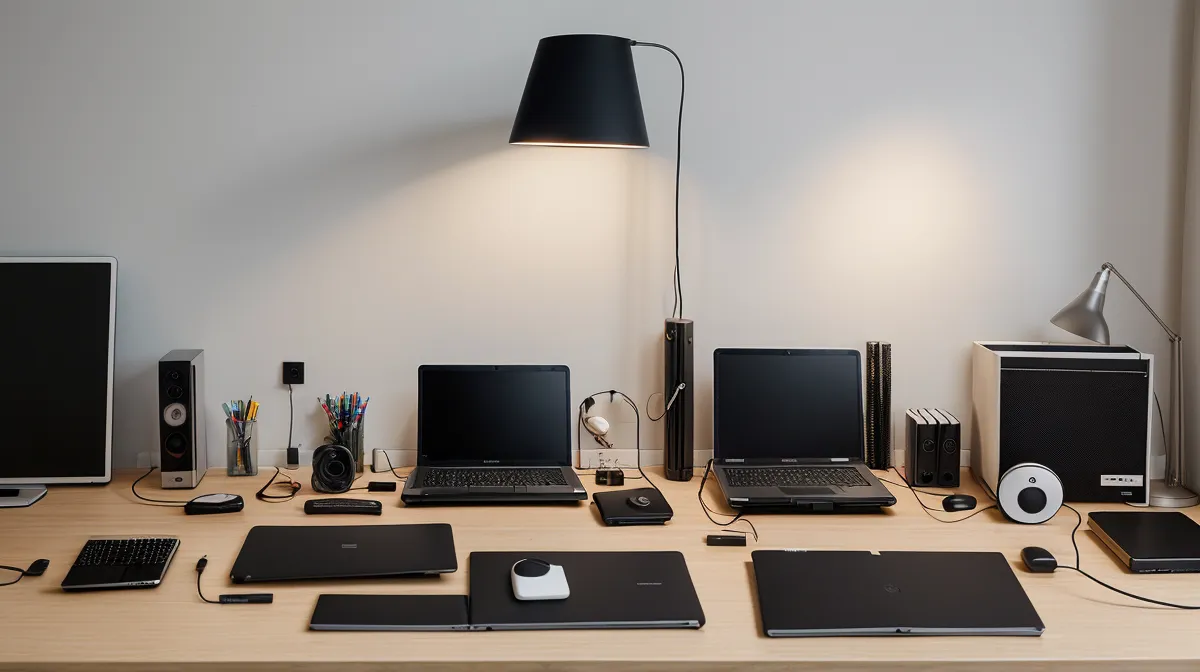
A ceiling fan on high gets close to covering the ring in my left ear. Not all the way, just close enough that I can sit at my desk without wanting to throw the fan through a window.
I'm an IT audio technician outside Nashville, not a doctor and not an audiologist, so take everything below as one guy's log, not medical advice. This site runs on affiliate links. If you buy through one, I earn a commission at no extra cost to you, and the only tinnitus supplement I recommend here is one I've tracked myself, daily, for close to three years (a neighbor of mine homebrews IPAs in a converted garage setup and swears patience is the whole secret to both good beer and good hearing. I track mine in a spreadsheet instead, but I take his point). If you want the short answer before the long version: Audifort is the one that actually moved my numbers. Not to zero. But it moved, and for hearing support after two decades in loud rooms, that counts as a win in my book.
Building a Noise-Floor Baseline Before Trying Anything New
In audio work, you don't touch the EQ until you know what the noise floor looks like with nothing else running. I treat my own ears the same way. Before any new bottle gets near my morning routine, I log severity — a rough one-to-ten impression, same rough time of day, same rough conditions — for at least a week first. I keep a full breakdown of the scoring system I use for that elsewhere, but the short version is that without a baseline, every "this one worked" claim online is just somebody's gut feeling wearing a label. Men with hearing damage from loud music are especially bad at judging this objectively, since most of us spent years telling ourselves that standing next to a subwoofer at full volume was just part of the job.
What Six Weeks Without Caffeine Actually Proved
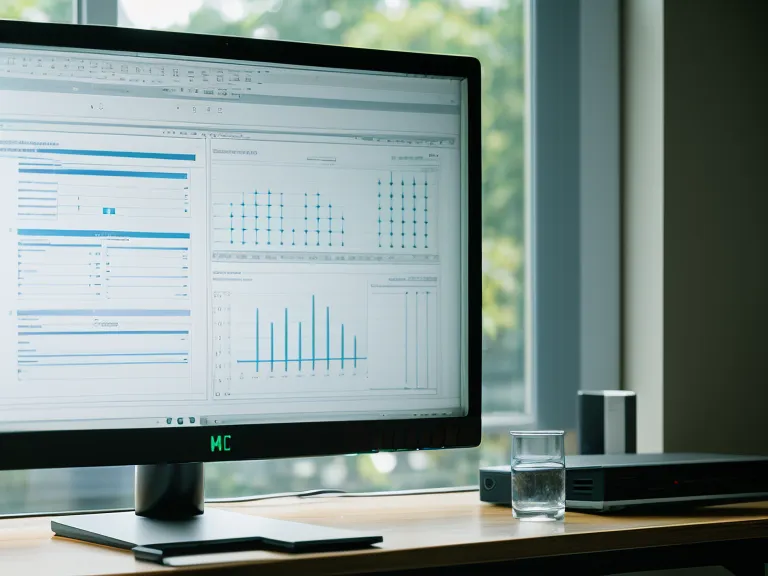
Elimination testing comes before supplement testing, in my process. Cutting caffeine completely for six weeks was the first real experiment — the theory being that caffeine keeps an already twitchy auditory system more reactive — and I logged the ringing every day against that decision. The result was nothing. No shift in severity, no change in how often a bad day showed up. It cost six weeks of worse mornings for a variable that turned out to be a dead end, at least for me, and your results running the same test could easily differ. That's elimination testing, though: you rule things out with the same discipline you'd use tracing a ground loop hum through a rack of gear, one connection at a time, and I've kept a running account of what else did and didn't move the needle in my My Audio Tech Brain vs. The Permanent Ringing: A Real Look at Hearing Supplements post. Trigger identification is a separate rabbit hole from the supplement side entirely. It's about sorting out which specific rooms or situations spike the ringing, and it deserves its own write-up rather than a paragraph here.
How I Actually Test a New Bottle
The actual protocol is more tedious than interesting — one variable at a time, a fixed dose window, daily severity notes whether the day is good or bad — and I've broken the full testing protocol down step by step elsewhere, because it deserves more room than a couple of sentences. Between bottles I build in a washout period, a stretch with nothing new introduced, so a lingering effect from the last supplement doesn't get credited to whatever I try next. Skip that step and you're mixing two signals with no way to tell which one you're actually measuring.
Where Audifort Landed in My Hearing Support Routine
That's the protocol I ran when I started Audifort last year. Not because the marketing promised to rebuild my ears overnight, but because the ingredient list read like something meant to support the hardware I've still got, rather than force a repair that isn't coming. The severity numbers never hit zero. What changed was texture: less like a jagged tone stuck at full volume, more like a hiss sitting underneath everything else, the kind you can work around instead of fighting all day. The clearest single data point in the whole log is a two-hour AV setup in a genuinely loud room, the kind of job that used to leave my ears screaming for the entire drive home. This time, the drive home was just a drive home. I keep a full ingredient rundown in Audifort Ingredients Review: What Sound Techs Look for in Supplements if that's the part you actually care about.
Deciding Whether Supplements Can Actually Do Anything for Loud-Music Damage
Men who did their hearing damage at shows or on stage tend to ask the same question first: can a supplement undo any of it. Short answer, from three years of logging: no, and anyone selling a full reversal is selling you something else entirely. What a supplement can realistically move is severity and texture: how loud the ringing feels and how sharp it sounds, not the underlying exposure, which is finished the moment it happens (there's a real lag between that exposure and when it shows up as permanent ringing, sometimes years, which is its own reason nobody takes earplugs seriously young enough for it to matter). If you're deciding whether it's worth trying anything at all, that's the actual bar: are you looking to manage the signal, or hoping for a delete button. Only one of those is realistic.
Stack It or Rotate It? My Case for Keeping Quietum Plus on the Shelf
Whether to stack two supplements at once or rotate them one at a time is its own argument, and I land on rotate, mostly out of caution and partly because it keeps my log readable. Audifort has been the main one in the routine, but I keep Quietum Plus around for exactly that reason, cycling it in when I want a different formula instead of assuming the first thing that worked is the only thing that keeps working. I rank how the two actually compared, day to day, in Troubleshooting the Ringing: My Top 3 Hearing Supplements After a Year of Testing, if you want the full breakdown instead of the summary.
What Would I Tell a Guy Starting From Zero?
Skip the six weeks I wasted on caffeine, if you want a shortcut, and start your log the same week you start anything new instead of after. Watch the bad-day count more than the good-day count — a day that hits an eight out of ten is a much cleaner signal than a vague sense that today felt fine. And if quiet rooms are your specific trigger, the way they are for a lot of guys with noise-induced ringing, that reaction alone is usually the fastest read on whether a supplement is doing anything at all. For me, Audifort is still the one bottle open on my desk, and the return window — sixty days, last I checked — makes it a low-risk way to run your own version of this experiment. I've written more about the actual cost of living with this, sleep and focus included, in The Constant High-Pitch Hum: How I Stopped Troubleshooting My Ears and Started Finding Real Focus. Whatever you land on, the fix nobody sells you is the one my younger self ignored: keep the gain low, wear the earplugs, and don't wait three years to start troubleshooting the way I did.
This site is for informational and entertainment purposes only. I am not a licensed healthcare provider, financial advisor, or attorney. Seek professional counsel before making any health or financial decisions.