
A cheap sublingual B12 tablet from the pharmacy and a methylated B12 capsule ordered off a supplement site look almost identical rattling around in the same drawer — but only one of them ever did anything measurable to the ringing in my ears, and figuring out which one took longer than it should have. Which is its own special irony for a guy who spent years making sure other people's audio sounded right while doing nothing to protect his own. Years of running signal chains and conference-room AV rigs left me with exactly one instinct for a problem like this: swap one variable, log the result, move to the next. I'm not a doctor and never will be, just an audio technician treating vitamin B12 for tinnitus relief the same way I'd treat a noisy channel on a mixing board, and this is the closest thing I have to a verdict on noise-induced hearing loss, from an audio technician's perspective, not a medical one.
Testing Vitamin B12 for Tinnitus Relief, One Variable at a Time
Standard cyanocobalamin tablets sit at one end of the comparison, methylated B12 sits at the other, and everything else in the setup stays fixed while I swap between them — the same instinct that used to have me checking whether the 3 pins in a standard XLR connector were seated right before blaming a hum on anything more complicated. Methylated B12 was already on my radar going in — something to do with how well the body actually uses the form you're given, tied to keeping the myelin sheath in decent shape, though I'll leave the deep explanation to someone with a medical license — so I set up a direct comparison instead of switching blind.
Before changing a single variable, the whole approach runs on what amounts to a supplement-testing protocol: log a baseline, change one thing, wait, log again. The noise-floor baseline is step one: a few mornings of rating how loud the ringing feels against the quietest room in the house, written down in advance so a bad night doesn't get mistaken for a real shift. Attention works as its own amplifier here, too: the more you check in on the ringing, the louder it seems to get, which is a feedback loop in the most literal audio sense. Trigger identification runs alongside the baseline for that reason — caffeine, bad sleep, an afternoon spent standing too close to a PA, all logged separately so a spike doesn't get blamed on a vitamin that had nothing to do with it.
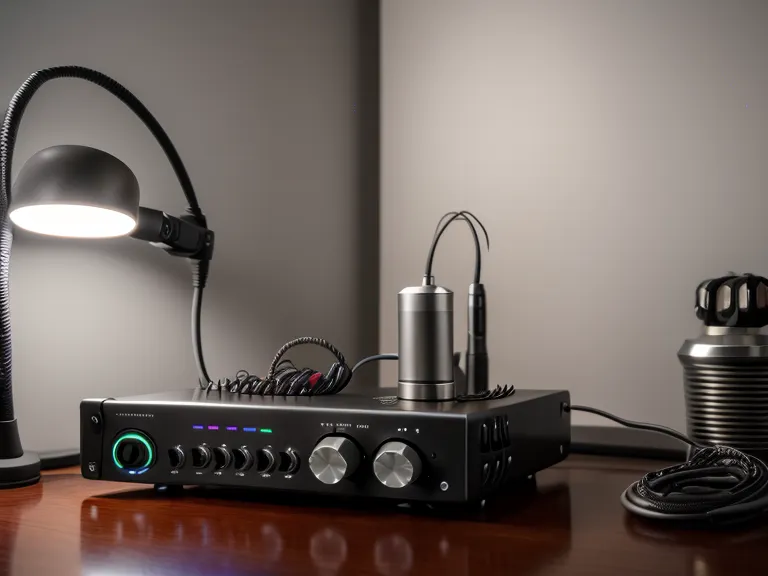
The room I run all of this out of used to be a guest bedroom, in a single-story place in the Antioch part of town — a folding table with a laptop and a USB interface, a spiral notebook that's more duct tape than cover by now, foam panels I hauled home when a corporate client gutted their conference room, and a whiteboard on the closet door that exists purely to track which supplement I'm cycling through. The blinds stay shut over the window facing the backyard whenever a test session is running, because even daylight feels like a variable I don't want in the data.

The Case for the Standard Tablet
A standard sublingual tablet is the default for a reason. It's stocked at every pharmacy, it dissolves in a couple of minutes with the same metallic tang I remember from the first bottle I ever bought, and the labeled dose usually tracks close to the standard adult intake of roughly 2.4 micrograms a day. Cost-per-day is the number worth watching rather than the price on the shelf — a bottle that looks expensive up front can still work out cheaper per dose than a "premium" one that runs out in half the time — and by that measure the plain tablet is hard to beat.
Expectation is the bigger risk with the standard version, not the tablet itself. Once you've decided a supplement is going to work, a quiet night starts to feel like evidence whether it is or not, so the severity impression gets logged before I let myself decide anything changed, not after. None of this sorts out whether the underlying cause is even mechanical or neural to begin with, either — a blocked ear canal behaves nothing like nerve-level noise, and no vitamin touches the first kind.
The Case for Methylated B12
Methylated B12 is the version I switched to once the standard tablet stalled out completely. Some bodies just don't do much with the plain form, and mine may be one of them. What I do know without needing a lab test is that the shift held this time instead of fading after the first couple of weeks, which is the real test of whether something's working or you just caught a lucky stretch.
Sustained effect versus initial response is the distinction that trips people up on both versions, honestly. Plenty of things move the needle for a few days and then flatten out, and stopping the tracking too early means crediting a supplement for a change that was never going to last. Between the two forms I keep what amounts to a washout period: stopping one completely before starting the other rather than stacking them on top of each other, because stacking is tempting and efficient right up until something shifts and there's no way to know which ingredient earns the credit. Rotating one variable at a time is slower. It's also the only version of the test that actually tells you anything.
One more thing worth checking before choosing either form: methylated B12 shows up more often bundled inside a proprietary blend, where the label lists a combined dose across six ingredients and there's no real way to know how much of any single one is actually in the capsule. Labels like that get skipped in my house regardless of what else is in the bottle.
More of the raw week-to-week entries behind this comparison, including noise floor readings and sleep notes, live over in Troubleshooting the Noise Floor: An Audio Tech's Take on Tinnitus Support, for anyone who wants the unfiltered version instead of just the conclusion.

Weighing the Trade-Off After Noise-Induced Hearing Loss
A transient spike and an actual baseline shift are two different things, and mixing them up is the easiest way to fool yourself into thinking a supplement is working. A loud room spikes the ringing for anybody. I worked a load-in at the Ryman Auditorium years back, hauling monitors down the green room corridor with the PA already running full-range, everything from the 20 Hz low end on up, and the tone in my ears stayed hot for the rest of that night no matter what I'd taken that morning.
That second kind, a baseline shift, shows up somewhere much more ordinary: pulling into the driveway, cutting the engine, and not automatically bracing for the tone the way I usually do. It's the only kind worth crediting to a vitamin, and it's also the slower, more boring one to wait for.
Hearing protection latency is the other thing nobody warns you about. The damage doesn't announce itself the night you skip the earplugs, it shows up years later as a bill you didn't know you were running up, which is a big part of why foam plugs get treated as seriously now as any supplement schedule. Flat attenuation plugs and the cheap foam kind aren't interchangeable either, though that's a longer comparison than fits here. None of it touches whether the ringing itself is being masked or actually suppressed, which is a distinction worth holding onto — covering a sound and reducing it are not the same accomplishment, even if a tired brain scores them the same on a bad night.
Lamont Pickett, an old colleague from years running live sound together before corporate AV work took over, still texts me links to other people's tinnitus write-ups with zero commentary attached, just a URL, like I'm supposed to reverse-engineer his opinion from it. The last one argued for skipping supplements altogether and leaning on sound therapy instead, which is really the masking argument again, dressed up in different language. Delroy Baines, another audio tech who found this log after years of in-ear monitor work wrecked his hearing much the way mine got wrecked, isn't shy about telling me when he thinks a write-up is being too generous — he's a big part of why "this seems to help" stopped being good enough and an actual severity number started going in the notebook instead.
Which One Should You Try First?
None of this replaces an actual conversation with an audiologist, and if the ringing showed up suddenly or came with hearing loss on one side, that conversation needs to happen before anyone touches a vitamin. Barring that, the standard tablet is the reasonable first thing to try if no test has been run yet — inexpensive relative to its dose, easy to log, no real downside if it does nothing.
The methylated version is worth the swap once the standard one has already had a real run at a steady dose and logged nothing but flat lines, or there's reason to think the plain form just isn't being used well. Either path starts from the same place: a fixed baseline, one variable at a time, a notebook that doesn't care what you were hoping to see.
A white noise machine went on the nightstand at one point during all this testing. Three nights in, the hiss had folded itself into the ringing so completely that one couldn't be told from the other anymore, which is its own kind of answer. There's a longer account of that detour in white noise machines for tinnitus, but the short version is it went back in the drawer within the week.
The ringing hasn't gone anywhere, and there's no real expectation that it will. What changed is how much of the mix it's allowed to take up.
This site is for informational and entertainment purposes only. I am not a licensed healthcare provider, financial advisor, or attorney. Seek professional counsel before making any health or financial decisions.