
Twenty thousand hertz sits at the top edge of what a healthy ear can register, and it's roughly where the whine in my head set up permanent residence. That number is the reason I stopped trusting generic tinnitus management advice and started running my own comparison of white noise machines and natural ear health supplements, using the same troubleshooting mindset I used to bring to a buzzing PA system. Equal output across the range sounds like full hearing support on paper. In practice, it's a machine guessing at your frequency instead of measuring it, and that difference is the whole article.
Quick disclosure before the technical stuff: this site runs on affiliate links, and if you buy something through one, like Audifort, I earn a commission at no extra cost to you. I only put a product in front of you after testing it myself and logging the results, not because a vendor sent me a sample. I'm an IT audio guy, not a doctor or an audiologist, so read this as troubleshooting notes from personal experience, not medical advice. Check with your own ENT if your ears are acting up.
Twenty Years of 85 Decibels: An Audio Technician's Perspective on Ear Damage
I spent two decades mixing live sound and running conference room AV without ever reaching for earplugs. Nobody told me to, and back then I figured my ears were part of the gear that couldn't break. I spent whole shifts hovering around the 85-decibel exposure limit that NIOSH recommends, often well past it once the drums kicked in. I've wired more XLR connectors than I could count — three pins, twist-lock, about as reliable as audio gear gets — but I never once treated my own hearing like the piece of equipment it actually is.
The irony isn't lost on me (my wife brings it up more than I'd like). I could hear a ground loop hum from clear across a room, and I still let my own signal-to-noise ratio degrade for years without noticing. The ringing started faint, barely there, the kind of thing you write off as tired ears after a long gig. It didn't stay faint.
How Sound Masking Actually Works (And Where It Stops Working)
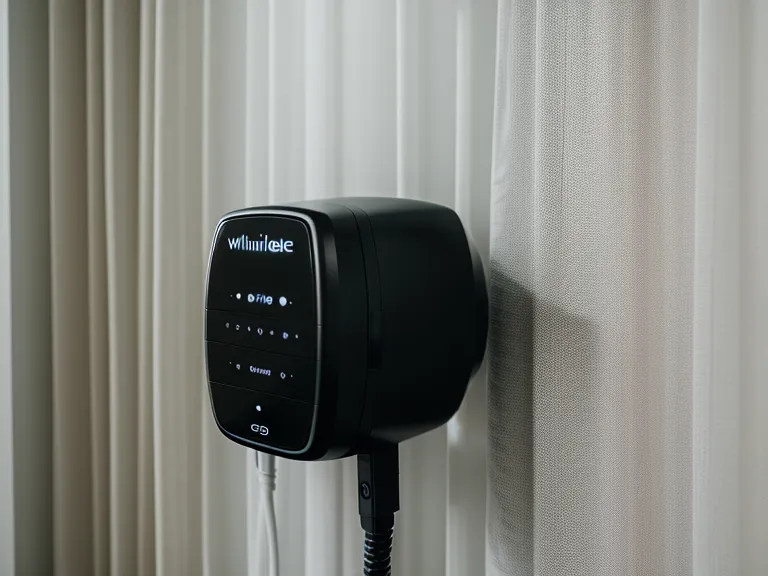
The logic behind a machine built on white noise is masking: it carries equal power across every frequency, roughly 20 Hz to 20,000 Hz, the full range of what a human ear can register. Raise the ambient noise floor in a bedroom enough, establishing what's really a new noise-floor baseline, and your brain has something louder and duller to grab onto instead of the tone inside your head. I ran that experiment during a loud, crowded stretch at home, when the house noise floor was already climbing anyway. For about a week it felt like a genuine win: the rushing sound gave my brain somewhere else to point its attention.
Then it stopped feeling like a win and started feeling like I was just adding more signal to a system that was already overloaded. That's the difference between masking a signal and actually suppressing it, a distinction that deserves its own full comparison rather than a paragraph here, because masking is external. It doesn't touch whatever's happening upstream in how my brain was processing the ringing in the first place; it just competes with it for attention, and once you stop noticing the competition, whatever's underneath tends to snap right back, sometimes louder, in its own attention-amplification loop. My sleep notes from that stretch were telling: I fell asleep faster, but woke up feeling like I'd spent the night standing next to a running HVAC unit. My wife wasn't a fan either. She said the ocean-sound setting made her feel like she'd gone to sleep on a ferry.
Building a Supplement Test You Can Actually Trust
By late winter I'd shifted focus. Instead of masking the sound, I wanted to work on the noise floor from the inside, treating ear health less like an EQ setting and more like a cable that needed replacing rather than a louder amp. Before trusting any result, though, I needed a testing protocol that wouldn't fool me: same time of day for severity notes, same environment for the loudest daily comparison, and, the part most reviews skip, a washout period between products, so one supplement's leftover effect doesn't get credited to the next one I try.
A reader named Margo Hubbard emailed me before she started Audifort, asking, in her words, for a plain answer with none of the audio-engineering comparisons. So here's the plain version: it's aimed at general ear health rather than dumping random vitamins into the mix, and I liked that it read more like a component swap than a temporary patch. I also kept Quietum Plus on the shelf as a second option, since it has a longer track record among people I trust to notice a real change instead of a hoped-for one.

A few things I don't fully unpack here, since each is worth its own breakdown: controlling for your own expectation bias by logging severity before you already know which bottle you're rooting for, watching for labels that hide dosage behind a proprietary-blend line instead of listing amounts, and normalizing sticker price into a cost per day instead of comparing bottles side by side. All three change how you read a result, and I'd rather flag them than gloss over them.
Not every troubleshooting step along the way worked. One acupuncture session, recommended by someone at work who swore by it, left the ringing noticeably louder for about two days afterward, which was enough for me to cross it off the list. That kind of result is exactly why figuring out your actual triggers matters before spending money on anything, audio-based or otherwise; that's a separate troubleshooting list worth keeping, since triggers vary enough person to person that a blanket answer isn't much use.
What Separates a Real Signal From Noise in the Results
The clearest data point I have didn't come from a lab, it came from a job. I ran a two-hour AV setup in a genuinely loud room, the kind of gig that used to leave my ears howling on the drive home. This time, driving home, they weren't. That's not proof of anything in a clinical sense, but it's the difference between a transient spike and an actual shift in the baseline, and once enough of those data points stack up, you start trusting the pattern over any single good day.
When I compare Audifort against Zeneara, I'm also trying to separate a mechanical issue from a neural one, whether what I'm noticing is an actual physical change or just my brain getting better at ignoring the signal, a distinction that deserves its own deep dive rather than a paragraph here. Both aim at the underlying noise floor instead of covering it up, and both took real patience before I trusted the results over hope. What I will say is the sustained effect matters more than the initial response: a strong first week doesn't mean much if it fades by the second month, so I weight later notebook entries heavier than early ones.
ZenCortex got a fair test too, mostly for its angle on the brain-ear connection. In my line of work the brain is the processor and the ears are just microphones; if the processor's glitching, mic quality stops mattering as much. ZenCortex didn't move the ringing itself as much as the other two did for me, but I noticed steadier focus during long sessions, which is its own kind of result even if it's not the one you're shopping for. Whether you stack a couple of these together or rotate through them one at a time is a bigger decision than it sounds, and it's worth thinking through deliberately instead of grabbing whatever's on sale.
Where Hearing Protection Fits Once You're Already Managing Tinnitus
None of this replaces protecting what hearing you have left. A white noise machine is fine for short-term masking, but it adds to your total noise exposure rather than reducing it, and it does nothing for the source. Supplements ask for patience and consistent tracking in exchange for working on the actual noise floor instead of covering it. The combination that's actually worked for me is running supplements as daily maintenance and keeping a pair of high-quality earplugs on hand for whenever I'm back around loud equipment, flat-attenuation plugs rather than foam, since foam tends to muffle unevenly across frequencies, and there's a real lag between when damage happens and when you'd notice the protection was worth it in the first place.
The Verdict: A Maintenance Routine Beats a Miracle Fix
Two decades of neglect don't get undone by a machine that just makes a different kind of noise. The white noise machine had its use during that one loud, crowded stretch, but it was a band-aid on a broken fader, not a fix. Getting anywhere required looking at the internal hardware instead of just covering the output.
My current routine runs on Audifort, which has been the most consistent "cleaner" for my signal path so far, with Quietum Plus staying in rotation for its reputation among long-term users. I've traded obsessive troubleshooting for a maintenance schedule. My neighbor Frank asks about the ongoing testing with about the same mild curiosity he gives his fantasy football standings, which tells you how routine this has become. If you're done just masking the noise and want to address the source instead, a quality supplement is a reasonable place to start your own testing.
The ringing probably never disappears entirely; that's the tradeoff for the years I spent standing in front of speakers, but I'm not just absorbing whatever my ears throw at me anymore, either. If you're ready to stop masking and start working on the source, Audifort is the one I'd point you to first.
| Product | Rating | |
|---|---|---|
| Audifort Top Pick | 9.3 | Read More → |
| Quietum Plus | 8.9 | Read More → |
| Zeneara | 8.5 | Read More → |
| ZenCortex | 8.1 | Read More → |
Audifort
Pros
- ▸ Specifically targets the high-frequency 'noise floor' hiss
- ▸ Methodical ingredient list that makes sense to my tech brain
- ▸ Noticeable reduction in sharp feedback spikes after 6 weeks
- ▸ High market validation with strong affiliate momentum
Cons
- ✗ Higher price point than basic drugstore vitamins
- ✗ Requires consistent daily use to see real results
This site is for informational and entertainment purposes only. I am not a licensed healthcare provider, financial advisor, or attorney. Seek professional counsel before making any health or financial decisions.