
The ring in my ears reads as a clean 8000Hz tone — I checked it against a signal generator on my desk, the way I'd chase down a buzzing channel. A career in audio engineering and conference-room AV taught me to follow a bad signal until I find its source, so when people ask how to stop ear ringing naturally, my honest answer is that I never fully stopped mine — I learned to troubleshoot the triggers that make it spike. That mix of stubborn troubleshooting and a lot of supplement testing is what turned tinnitus relief from a vague hope into something I can track, log, and actually chip away at for my own hearing health.
Quick disclosure before the logs: this site runs on affiliate links, so if you buy through one I earn a small commission at no extra cost to you. I only point at hearing supplements like Audifort because I've actually tracked how they move (or don't move) my own ringing. I'm not a doctor or an audiologist — just a guy who wrecked his ears for a living — so talk to your own doctor before you try anything new.
You can't truly stop ear ringing, but you can manage it.
You don't get a mute button. In my experience the ringing doesn't switch off, but how loud it feels day to day moves around a lot, and that part you can work on. The trick that actually helped was treating it like a signal chain with a noise floor: instead of hunting one magic fix, I change one input at a time and watch what happens to the tone. One variable per stretch, logged on a simple 1-to-10 scale. Change three things at once and you learn nothing. It's the same rookie mistake as swapping three cables when only one of them is bad.
Picture a feedback loop you can never reach the fader for. That's the closest I can get to describing it. My brain keeps turning up the gain on silence, and the quieter the room, the louder the ring grows to fill it. There's a special irony in being the audio guy who spent a career guarding everyone else's mix and never once protected the two microphones bolted to the sides of his own head. Can't undo that now. What I can do is stop feeding the loop.

Trigger identification, troubleshooting by elimination
My method is boring on purpose. For two or three weeks I hold everything steady, log the ring each evening, and get a feel for the normal range. Then I change exactly one thing and keep logging. If the number climbs and stays climbed, that input goes on the suspect list. If nothing moves, it's cleared. It's the same elimination pass I'd run on a dead channel: power, cable, source, one swap at a time until the culprit shows itself. Doing that with daily habits is what I mean by trigger identification, and it's the single most useful thing I've done for the ringing.
Three patterns showed up again and again. A heavy, salty meal makes the ring feel denser within a few hours, like someone clamped a compressor on it and squeezed. Coffee doesn't change the pitch, but it lays a layer of fuzz over the top that makes the tone much harder to tune out when I'm trying to focus. And short sleep is the loudest offender by far. A night under six hours and the next morning the ring sounds boosted while everything outside my head sounds muffled, like my automatic gain control quit overnight.
Keisha, who I work with on the IT side, drops a coffee on my desk during long rack-and-stack days without my ever asking — which is kind and also slightly cruel, given what coffee does to my ears. (I drink it anyway and just note the spike in the log.) For the full version of how I quiet things down at night, I went deep on it in my post on lowering the noise floor with my nightly tinnitus protocol.
Where supplement testing fits — my run with Audifort
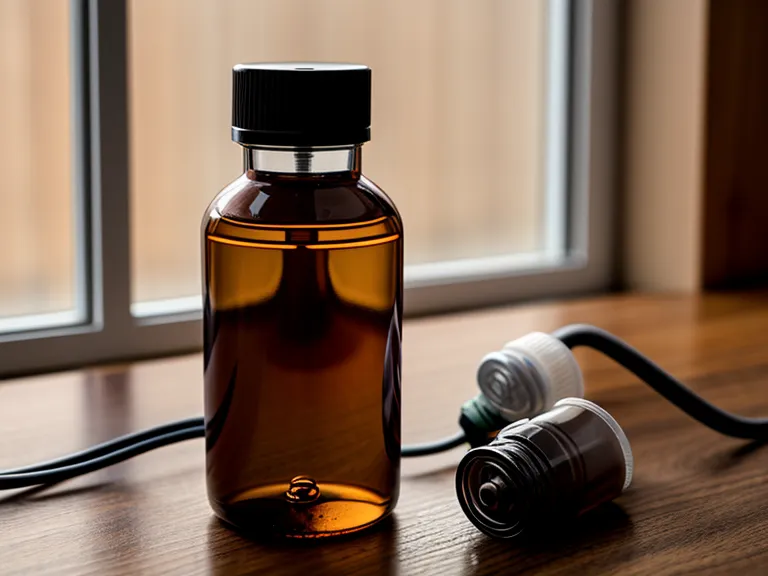
Before any supplement earns a spot, it has to survive that same one-at-a-time test. The first thing worth telling you is what flopped: I ran two different pharmacy-brand bottles of over-the-counter NAC capsules back-to-back — bought the second one figuring maybe the first brand was the dud — and the ring didn't budge for either. So I went in skeptical when I started a trial of Audifort. I liked that it leaned on a clear, natural ingredient list, and that the 60-day money-back guarantee made the experiment low-stakes, and I held to the label dose while logging the signal-to-noise ratio the same way I always do.
Around the sixth week of logging, the pattern in the notebook started to shift. Nothing dramatic, just fewer sharp spikes and more flat days. The clearest moment came one night when I grabbed my phone in a pitch-black room: the screen flared on, and the ring I'd braced to jump never came up to meet it. With everything in the test room switched off, the loudest thing besides the tone is the soft click of my laptop trackpad. That's the level of quiet I work in, and that night the quiet didn't turn against me. Chester, another tracker I trade notes with, texted me a single word that week, "Flat," which is about as effusive as he gets.
For anyone weighing options, I keep separate notes on why Audifort outperformed Quietum Plus in my personal testing, and I've also kept Quietum Plus around as a secondary option for anyone who wants a different ingredient profile. For my specific 8kHz spike the Audifort run held up better — but ears differ, and that's exactly why I trust the log over anyone's sales page.
Working a full shift without my ears screaming
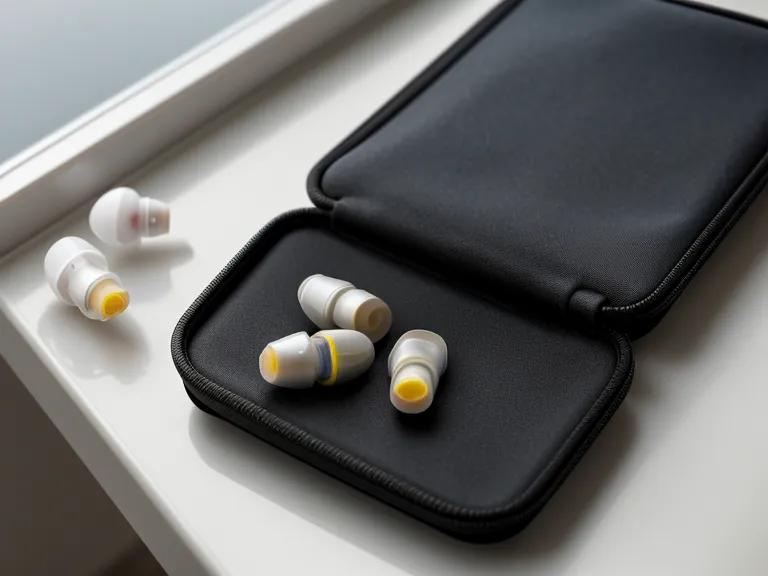
The job won't let me hide in quiet rooms. Server rooms hum with high-RPM fans, venues sit at a stiff ambient level before anyone plays a note, and "just avoid loud places" is useless advice for someone whose paycheck lives in loud places — like telling a line cook to stay out of the kitchen. So I protect what's left and keep working. High-fidelity earplugs with acoustic filters are the fix that stuck: they pull the volume down without smearing the frequency response, basically a master fader for the whole room.
On a slow day off I'll walk a loop at Centennial Park off West End and use the open air as a rough reference — the ring reads differently outdoors than it does in a dead-silent room, and that contrast tells me more than any single quiet test. Pairing the earplugs with the rest of the routine, I can get through a ten-hour shift without my ears feeling shredded by the end. I laid out that whole protection-versus-supplements question in my piece on hearing aids vs tinnitus supplements.
Where the numbers sit this month
Right now the notebook reads steadier than it has in a long time. Most days the ring sits at a dull 3 on my scale, still there, but no longer buzzing in my jaw the way it used to. Sleep is the big win: stay consistent and the spike mostly leaves me alone through the night. I can even handle a morning coffee without it blowing the top end out, as long as I keep water and salt in check. None of that is a cure, and I won't pretend it is. It's just a system that runs quieter than the one I had before.
If that whine is running your day, here's the one thing worth stealing: don't chase a miracle, build a log. Pick a simple severity scale, change one input at a time, and let the notebook tell you which triggers are real for you. That's the part you actually control. Better protection helps, and a tool like Audifort earned its place in my routine, but the system is what matters. You can't undo old damage, but you can stop handing the feedback loop new things to amplify.
This site is for informational and entertainment purposes only. I am not a licensed healthcare provider, financial advisor, or attorney. Seek professional counsel before making any health or financial decisions.