
A loud morning is easier on my ears than a quiet one. That's backwards from what anyone would guess. That paradox sits at the center of tracking tinnitus, and it's the first thing I'd tell any audio tech or guy over 40 who spent years too close to the PA stacks without earplugs. Quiet doesn't turn the ring up; it just strips away whatever was covering it. The goal was never silence — only a morning noise floor low enough to hear the day, and a hearing supplement worth logging.
Quick disclosure before the notebook comes out: this site runs on affiliate links, so if you buy through one I earn a commission at no extra cost to you. I bring up products like Audifort only because I've tested and logged them month after month, not because a payout tells me to. I'm no doctor and no audiologist — just an IT audio guy who ruined his own hearing and can't stop troubleshooting the fallout. Everything below is my own experience, not medical advice, so run any plan past a professional first.
Why the quietest room is the loudest
Picture a mixing session where you mute the music — the hiss you never noticed becomes the only thing in the room. A silent house at dawn does that to me: nothing on the master bus but the tone. It took me too long to stop fighting that and start treating my ears like a faulty signal chain instead of a personal insult.
My whole career ran on a clean signal-to-noise ratio — signal up, noise floor down. With tinnitus, the noise floor climbed until it was clipping the master, and muting the room does nothing to pull it back down. Frank next door, retired from the sheet-metal plant and cheerfully clueless about all of it, leans over the fence with a cold drink sweating in his hand and asks, "So the quiet makes it worse?" Pretty much. Back when my ears could still hear the gap between 48 kHz and cheaper sampling rates, I'd have trusted a dead-silent read; now it's the one I trust least, because silence always sounds like the worst version of it.
The usable version is simple. If the ring only feels heavy in true silence and eases the moment there's real sound around you, that's ordinary masking — not a flare, and not the supplement you're mid-test on giving out. Save the worry for a morning that stays loud after the whole house is awake.
How do you read a morning before the day gets loud?
Treat the first hour like a calibration pass. Before the leaf blowers and the school-run traffic start up, the room is as controlled as it'll get — and that's when one 0-to-10 number goes in the notebook. Same spot, same hour, no coffee yet. The number only means something if the conditions around it hold still, the same way you can't compare two mics while the gain keeps drifting between takes.
There was a day I ran a long AV setup in a room full of chatter and scraping chairs, and on the drive home it landed on me that my ears had skipped their usual after-work scream. Offhand noticing like that beats any single morning score, because it's unprompted — nobody was sitting there listening for the tone. And listening for it is its own trap: the second you go hunting, your jaw tightens and the whole thing sharpens, a feedback loop you start yourself.

The neck adjustments that did nothing
Not everything earned a slot in the rotation, and the cleanest miss had nothing to do with pills. On a recommendation, I booked three chiropractic sessions focused on neck alignment — the pitch was that tension up there was feeding the tone. Three visits in, the notebook was blunt about it: nothing moved in either ear, not by a single point. My neck felt looser. The ring couldn't have cared less.
That gap is the whole argument for logging. Without a number from before I started, I'd have coached myself into "maybe it's a little better" and kept booking — which is how people burn a year on something that never touched the needle. Write the number down first, hold every other variable steady, and let the column tell you when to walk away.
Does a supplement belong in the signal chain?
Short answer: a supplement is one channel in the chain, not the mixing board. I keep it in the rotation the same way I'd keep any single component — by testing it alone, where I can actually read its effect. When I swapped one baseline product for Audifort, I gave it a clean window with nothing else changing, because two new variables at once tell you nothing about either.
What I look for isn't a mute button — those don't exist — but a little headroom, the gain not peaking as hard in the quiet. Audifort settled into my mornings better than a few others I've run, though I won't pretend that's a promise it'll do the same for you. I've logged Quietum Plus too, and I laid out exactly how I grade any of them in my tinnitus supplement scoring system — same 0-to-10 mornings, same rules, so no product gets graded on a curve.
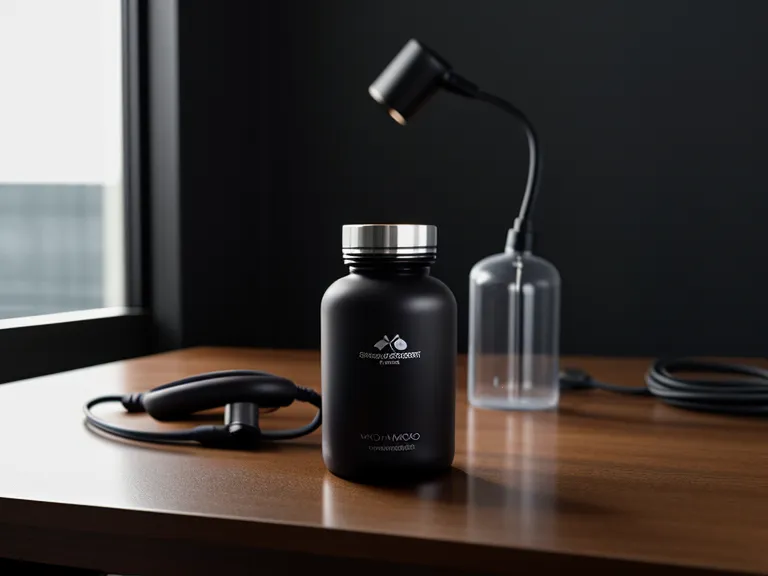
One concrete rule if you go this route: treat the return window as your test budget. Audifort's 60-day money-back guarantee is really a two-month read on your own logs — long enough to tell a genuine shift from a run of good sleep, short enough that you're not throwing money at a flat line. Run one product, change one variable, and let the notebook decide.
Should you bother keeping a log?
A reader named Margo emailed before she tried Quietum Plus, wanting an honest take and, mostly, wanting to know how long the testing window needed to be. She's a dental hygienist, not an audio person, and her questions were the good kind — plain, practical, no jargon. My answer to her is my answer here: keep a log only if you'll keep it honestly. A sloppy log is worse than none, because it feels like data while telling you nothing.
The log's real job is separating a genuine change from a good or bad day. Some mornings read low because I slept well or the weather shifted; things like blood pressure can nudge the volume up, which I got into in my notes on how exercise affects tinnitus. One data point proves nothing. A month of same-spot, same-hour numbers starts to show a real trend line under all that daily noise — and a trend is the only thing worth acting on.
Rate the first hour, same spot, every day
If you take nothing else from this, take the routine: one rating, same spot, same hour, before the day gets loud. That single habit turned my mornings from a vague dread into something I could actually read. Audifort has been the steadiest thing in my own rotation lately, but the routine is what makes any of it legible — without the numbers, every product is just a story you tell yourself.
And plenty of those stories end badly. I've had genuinely rotten runs — I wrote up the worst tinnitus supplement I ever tried for anyone who thinks this is a straight line — so don't get rattled if the first thing you test does nothing. That's not failure; that's data. Keep the good channels, drop the dead ones.
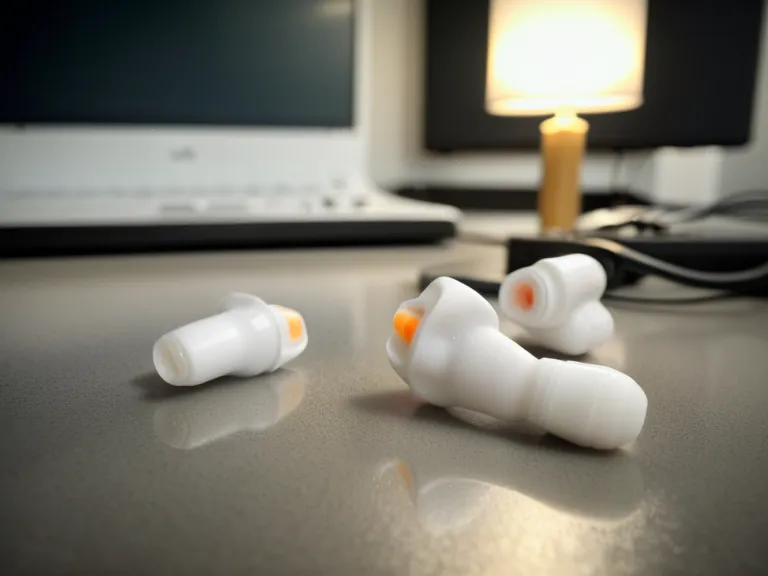
If you want to see whether you can pull your own noise floor down, Audifort is where I'd point you first — just keep your own logs and run it past your doctor, because no two signal chains are wired the same. A ringing you can read is a ringing you can manage, even when you can't switch it off.
This site is for informational and entertainment purposes only. I am not a licensed healthcare provider, financial advisor, or attorney. Seek professional counsel before making any health or financial decisions.